

Do you have or about to get architectural shingles installed on your roof? Are you wondering if architectural shingles will actually last the 30 years you're expecting?
Architectural asphalt shingles have a manufacturer-specified lifespan of 30 years. So, of course you're expecting to get 30 years out of your roof.
Unfortunately, this is one of the biggest misconceptions in the roofing industry. The truth is, architectural shingles won’t last the full 30 years.
So, how long will they really last? And why won't they last that long?
For over 35 years, Bill Ragan Roofing has taken pride in helping homeowners understand the finer details of the roofing industry. Because of this, I want to give you an honest look at the lifespan of 30-year architectural shingles.
By the end of this article, you'll learn:
- How long do 30-year architectural shingles really last?
- Why won't architectural shingles last the full 30 years?
- What affects how long architectural shingles last?
How long do 30-year architectural shingles really last?
Architectural (also called dimensional) asphalt shingles should live around 80-85% of the 30-year maximum lifespan. So, architectural shingles should realistically last around 20-25 years.
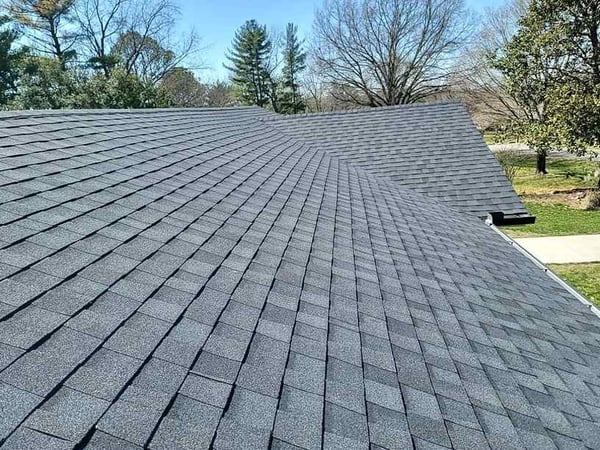
Unfortunately, there are plenty of architectural shingle roofs that don't last this long. Without a quality shingle, proper installation, and adequate attic ventilation, you won’t get near the 25-year mark.
You’ll honestly be lucky to get 10, maybe 15, years out of your roof without these two crucial roofing practices (more on this next). But as long as you hire a great roofing contractor and invest in quality, your architectural shingles should get as close as possible to their maximum lifespan.
Why won't architectural shingles last the full 30 years?
I understand it's confusing to hear 30 years from a manufacturer, but 20 to 25 years from a roofing contractor. However, the manufacturer-stated lifespan of 30 years is based on perfect conditions.
Well, a roof is exposed and takes the constant brunt of the elements day after day, year after year. So, it's simply just the way wear and tear affects architectural shingles from constant exposure.
That's why many shingles come with warranties that seem long until you get to the fine print and find that they get prorated as the years go by.
What affects how long architectural shingles last?
So, architectural shingles should last around 20 to 25 years. However, how long they’ll ultimately last comes down to the multiple factors that impact the lifespan.
These factors include:
- Material quality
- Installation quality
- Proper attic ventilation
- The weather in your area
- The direction your asphalt roof faces
- Roof maintenance
Material quality
The quality of the actual shingle plays a huge role in how long architectural shingle roof lasts. There are multiple asphalt shingle brands, and each one has different shingle lines and performance perks that vary in quality.
The quality of the different components that make up the roof system also play a role. So, it's important to invest in quality roof system instead of a mix and match of inferior products.
I understand a low price is tempting, but cheap and/or inferior materials are guaranteed to show up in the finished quality. So, set your budget, choose a quality architectural shingle from a respected manufacturer, and invest in quality to ensure it lasts as long as possible.
Installation quality
Installation quality is the main driver for how long an architectural shingle roof lasts. So, an improperly installed architectural shingle stands no chance of reaching its full potential.
Improper installation can be caused by poor workmanship, inadequate attic ventilation, improper nailing, and poor weather conditions during the roof replacement process. If the architectural shingles and other roofing components are improperly installed, you’ll have a roof that needs repairs throughout its life before it prematurely fails.
Unfortunately, this leads to another replacement well before you should need one. Luckily, improper installation can be avoided by hiring a reputable roofing contractor with a strong installation history.
Proper attic ventilation
After installation quality, proper attic ventilation plays the biggest role in how long an architectural shingle lasts. While inadequate attic ventilation is part of improper roof installation, it’s important enough to be on its own.
If your attic isn’t properly ventilated, the trapped air dramatically shortens the life of architectural shingles. For example, poor attic ventilation in the summer causes heat to build up enough to literally burn your roof up, deteriorate the adhesives in the decking, and cause cracked or curled shingles.
No matter if it’s cold air in the winter or hot air in the summer, an architectural asphalt shingle's lifespan will be negatively impacted by an improperly ventilated attic.
The climate and weather in your area
Every roof goes through wear and tear from the weather throughout its life. However, the climate and amount of extreme weather your area can greatly impact the lifespan of architectural shingles.
For example, the shingles experience granular loss a lot quicker in areas with hail storms, which shortens the roof’s lifespan. Luckily, many manufacturers have started making impact-resistant architectural shingles.
Some states even require impact-resistant shingles in general because of frequent hail storms. But no matter what, the more extreme weather architectural shingles are hit with, the more it impacts how long the roof lasts.
Just know that you can file an insurance claim (unless specifically excluded) for hail or wind damage.
The direction your roof faces
Just like the weather, the direction your roof faces impacts how long architectural shingles last. Shingles are made to withstand UV light, but the parts of your roof that are exposed to prolonged sunlight show signs of wear and tear quicker.
For example, if the roof faces east or west, each side gets an equal amount of direct sunlight as the day goes on. But if it faces south, only the south side receives direct sunlight all day while also taking the brunt of the wear and tear from the weather.
This also means part of your roof won’t dry after rain, which allows moss growth and leaves sitting, saturated debris on your roof longer. Not only does this eventually lead to a leak, but it also shortens the lifespan of architectural shingles.
Roof maintenance
After installation, routine roof maintenance plays a crucial role in maximizing the lifespan of architectural shingles. Whether it’s once or twice a year, maintenance ensures you get the most life out of your asphalt roof.
It keeps your roof highly functioning by catching and preventing future leaks before they can start. Without maintenance, a small problem snowballs into an expensive repair and causes damage to the interior of your home.
This is also the perfect chance to clear your roof and gutters of debris, especially in areas that experience build up, like roof valleys. If saturated debris is left sitting, it will definitely shorten the architectural shingles' lifespan and potentially lead to leaks.
How much do architectural shingles cost?
After reading this article, you know how long architectural shingles really last and the things that affect the lifespan. As long as you hire a great roofer and invest in quality materials, architectural shingles will make it the close to the 25-year mark, maybe even a bit further in great conditions.
However, it's a good idea to start budgeting around the 20-year mark for a roof replacement to be ready and avoid leaks. The problem is that you can’t budget if you don’t know the price.
That’s why I wrote another article breaking down how much a new architectural shingle roof costs.
Check out How Much Does a New Asphalt Roof Cost to learn the budget you’ll need for an architectural shingle roof replacement.