
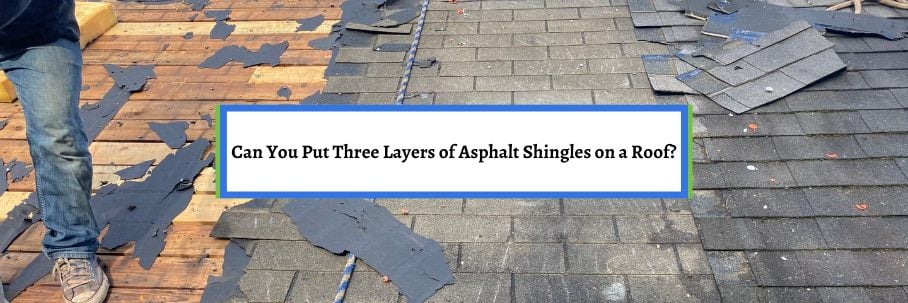

Did you get the news that you need a new roof? Is your roofer saying you already have two shingle layers?
Replacing a roof isn't cheap, and is actually one of the biggest investments you can make for your home. Because it’s such a big investment, some homeowners try to save money where they can.
And one of the ways to cut pricing is by installing another shingle layer over a current roof. But sometimes, there are already two layers.
That’s when we’re asked, “Can’t you just put a third layer of shingles on my roof?” The answer to this question is actually quite simple.
For over 35 years, Bill Ragan Roofing has helped homeowners understand all aspects of the roofing industry and the “why” behind certain roofing industry rules and laws. So, let's break down the number of shingle layers you’re allowed to have on a roof and more.
By the end of this article, you'll learn:
- Can you put three layers of asphalt shingles on a roof?
- 6 problems to consider before nailing over your old asphalt shingles
Can you put three layers of asphalt shingles on a roof?
No, you can’t put three layers of asphalt shingles on a roof. In most states, you’re only allowed to have two layers of asphalt shingles on a roof for fire safety reasons.
Keep in mind that there are still roofs with three or four layers, and some roofing contractors will still install a third layer to offer a cheaper price.
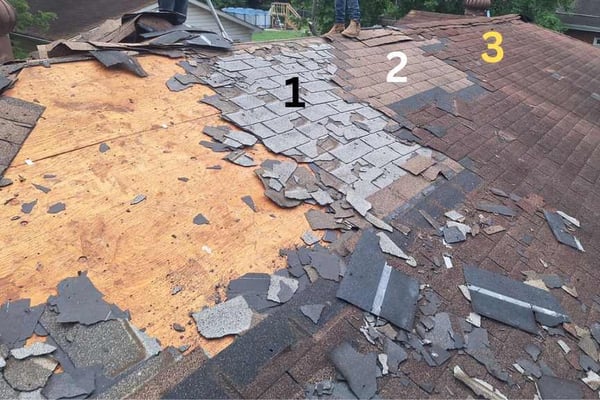
However, a reputable roofing contractor will recommend a full replacement if you already have two or more layers. Even if you only have one layer, the situation must be right to nail over an old roof.
The roof must be near the end of its lifespan, laying flat (no lifted or cracked shingles, blisters, or bumps), few penetrations, small amount of flashing, and no walls that butt up against the shingles. With that in mind, most roofs won't be a good candidate for a nail-over.
6 problems to consider before nailing over your old asphalt shingles
Now you know your roof is only allowed to have two layers of asphalt shingles. So, if you have more than two, there's no question about having to replace your roof.
Even if a reputable roofing contractor recommends a full roof replacement 99 times out of 100, a nail-over may be possible if you only have one layer. However, nailing over old shingles actually comes with major drawbacks that must be considered.
Let's look at the following 6 problems that come with a nail-over reroof:
- You're covering up an aging and failing roof
- Roof decking can’t be inspected
- The current roof flashing must be used
- Your roof won’t qualify for the best warranties
- Roof leaks are harder to track and repair
- A second layer adds weight to your roof
1. You're covering up an aging and failing roof
The whole point of a roof replacement is to replace roofing materials and components that have reached the end of their lifespan. Well, the majority of components and materials won’t get replaced when adding a second layer of shingles.
However, not replacing crucial materials and components isn’t the only problem. The main issue is the second layer of shingles covers up existing problems on a failing roof system.
These problems don’t magically go away and are still there if water gets under the new layer of shingles, which takes us to the next point.
2. Roof decking can’t be inspected
Roof decking (also known as roof sheathing) is the foundation of a roof system. During a full roof replacement, your roofing contractor can inspect the decking’s integrity to see if it can handle your new roof after the old one is torn off.
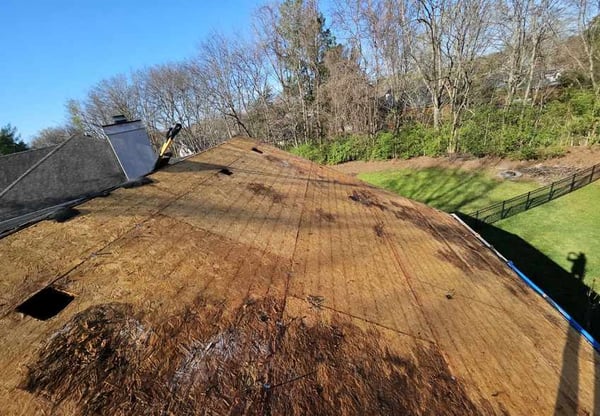 (Rotten roof decking boards)
Because the tear-off process is skipped, there's no inspecting or replacing decking when nailing over your old shingles. This may not seem like a big deal, but rotten or compromised decking leads to structural issues and even potential health hazards.
That’s why a reputable roofer will always recommend tearing off your old roof.
3. The current roof flashing must be used
Roof flashing is metal material placed anywhere the shingles butt up against something, such as a wall, chimney, or in open valleys. It's one of the most crucial roofing components that every roof must have.
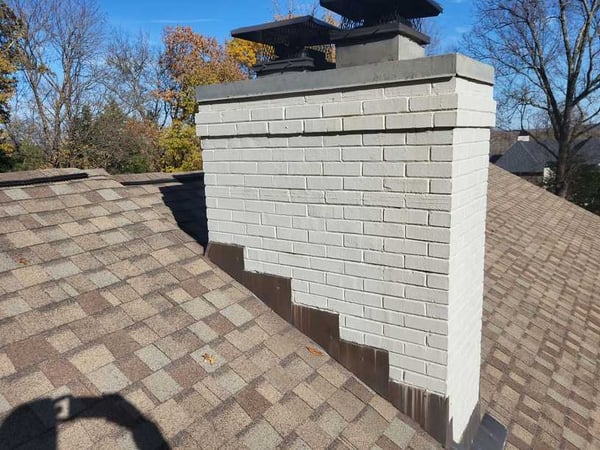 (Counter flashing on a chimney)
However, installing another layer means your roofer has to rely on someone else's workmanship and use your roof’s current flashing. If the metal’s integrity is compromised or the flashing job was done poorly, you'll experience significant leaks.
This means spending even more on repairs and replacing the flashing down the road anyway, which isn't cheap. That’s why you must ask your roofing contractor if they saw any problems when considering adding a second layer of shingles.
4. Your roof won’t qualify for the best warranties
All asphalt shingles come out of the package with material warranties from the manufacturer. This doesn’t change when adding another shingle layer, but the only thing covered will be the shingles.
However, you also can’t qualify for the 50-year non-prorated enhanced warranty on the entire roof system because you didn’t install the other required components. Manufacturers simply won’t warranty a roof system that doesn’t have all-new roofing components.
This means any problems or roof leaks with a two-layer roof will have to be taken care of by your roofing contractor’s workmanship warranty. Unfortunately, a roofer most likely won’t offer anything long-term because of the high potential for problems down the road.
5. Roof leaks are harder to track and repair
Finding a roof leak takes skill to track and repair under normal circumstances on an asphalt shingle roof. Unfortunately, adding another layer of shingles makes it much harder.
If water gets under the new layer, it goes down the old asphalt roof, finds the path of least resistance, and starts leaking inside your home. This makes it harder to find where water is coming from and then repair it to ensure the roof leak is taken care of the first time.
That’s why you shouldn’t even consider nailing over your old roof if it already has leaks and other problems only a replacement will fix.
6. A second layer adds weight to your roof
An asphalt shingle roof is heavy as is, and adding another layer doubles the weight. If the decking’s integrity is compromised, it may be unable to handle the weight another shingle layer adds.
The fact that you can’t check the decking beforehand increases the risks even more. Now, there’s no telling how long it would take for a problem to show up.
However, the weight will cause sagging and eventually lead to structural damage that creates the potential for your roof to cave in.
What else do you need to consider and know about replacing your roof?
After reading this article, you now know that you can't have more than two layers of shingles and the potential problems with multiple shingle layers. But remember, the situation must be perfect.
So, what if nailing over isn't an option for you? If it isn't, you're only option is to replace your roof before it fails completely.
After all, if you need a new roof, the only option is to replace it. But before jumping into the process, there are crucial things to consider and know.
That's why I wrote another article breaking down the things every homeowner needs to know before replacing their roof.
Check out 7 Things to Consider Before a Roof Replacement to go into the process with all the information you need to feel confident about your investment.